
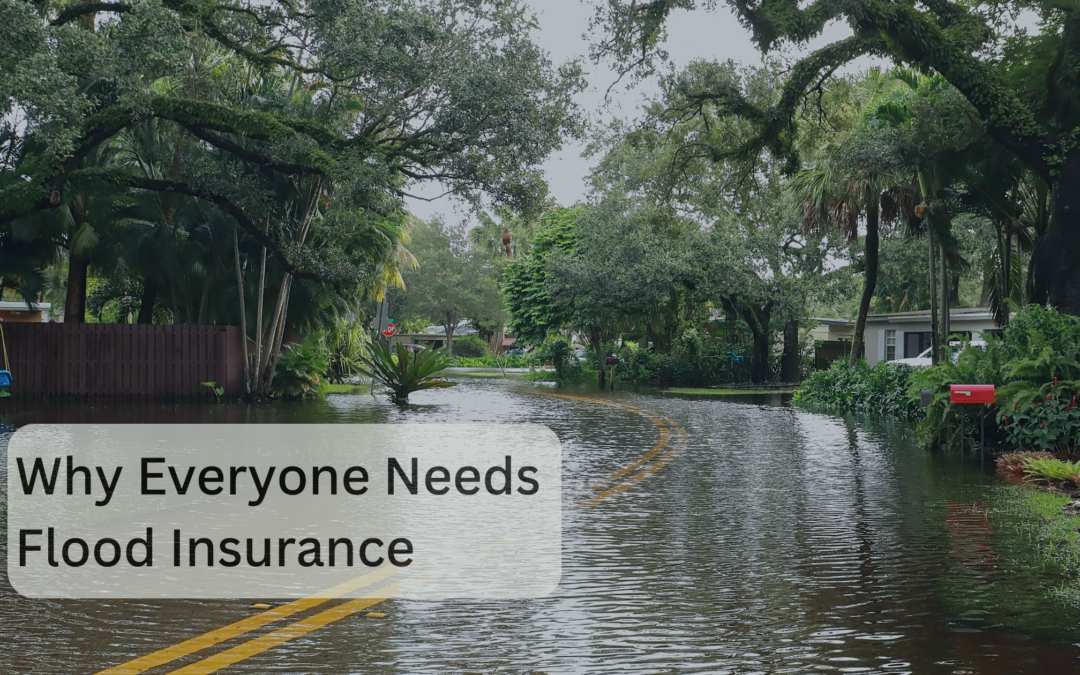
It is easy to assume that purchasing flood insurance is reserved for coastal areas, but floods are the most common natural disaster. Texas geography is capable of flooding anywhere. The Texas Department of Insurance states where it can rain – it can flood. Even those who reside in low-risk areas need flood insurance.
According to FEMA, almost a third of all National Flood Insurance Program (NFIP) claims come from areas outside of high-risk flood zones. Flooding history does not always repeat itself as new construction and the unpredictable nature of weather in Texas creates new opportunities for flooding – reinforcing the need for flood insurance.
The impact
The financial consequences for unprepared home and business owners can be devastating. The U.S. Small Business Administration reports that a fourth of small businesses never reopen after disasters – a statistic highlighting the danger of waiting to talk to your broker about options.
It’s a common misconception that standard homeowners or business insurance policies cover flood damage. Unfortunately, they typically exclude flood-related losses entirely. This is a significant gap considering 40% of flood insurance claims come from areas not designated as high-risk zones.
With the average 2025 commercial flood claim sitting around $89,000 and personal flood claim being close to $94,000, securing the right coverage anchors long-term financial goals.
Flood coverage helps protect structure and contents. Structure covers the foundation, walls, roof, and essential systems like plumbing, electrical, and HVAC. Contents protects what’s inside, like furniture, electronics, inventory, or machinery.
Private versus National Flood Insurance Program
When seeking flood insurance, there are two main paths: NFIP and private insurance. While both serve to protect property from water damage that standard policies exclude, they differ in how they are managed and the level of coverage provided.
NFIP is managed by FEMA. It provides coverage up to $500,000 for structure and $500,000 for content. This program requires a 30-day waiting period before activation and covers flash floods, mudslides, and storm surges.
Private insurance can offer higher coverage amounts since it is not limited to the caps set by the NFIP. These policies sometimes offer quicker activation periods and can feature specific endorsements that increase protections.
Regardless of your choice, the primary takeaway is to act quickly – do not wait until a storm is approaching to secure coverage.
Simple Ways to Stay Safe
In the meantime, practice flood safety by visiting NOAA for historic flood data, FEMA flood maps, and USGS Water Watch for specifics related to your area.
Consider sealing foundation cracks and installing sewer backflow valves or a sump pump with a battery backup. Also, establish an emergency plan that includes an essential emergency kit.
Check our LinkedIn or Instagram for more quick tips on flood safety.
Disclaimer: The information in this article is for general informational purposes and should not be taken as professional insurance advice. Always consult with a qualified insurance professional for advice tailored to your business’s specific needs.